Themed Curation Project
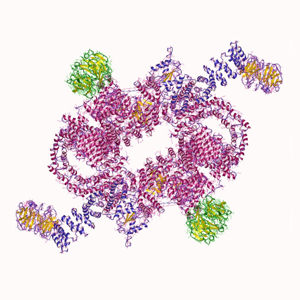
Cell Cycle - mTOR pathway
The Target of Rapamycin (TOR) pathway is a central regulatory network that governs cell growth, metabolism, and homeostasis in response to environmental and hormonal cues. Its core component, the serine/threonine kinase mTOR, functions within two biochemically distinct complexes: mTORC1 and mTORC2. Together, these complexes integrate nutrient signals, growth factors, and cellular energy status to coordinate metabolic activity with cellular growth demands. Dysregulation of TOR signaling is implicated in a broad spectrum of diseases, including cancer, metabolic and neurodegenerative disorders, epilepsy, and age-associated functional decline, making this pathway an important focus of therapeutic research in oncology, immunology, and aging biology.
Genes mapped to the TOR pathway were identified through manual curation and expert review using both the KEGG and Reactome databases. The corresponding molecular interactions for these genes were manually curated from the scientific literature by BioGRID curators to produce a TOR pathway specific dataset. This project page allows users to explore the relevant protein interactions, post-translational modifications (PTMs), chemical interactions, and BioGRID ORCS-curated CRISPR phenotypes. This TOR pathway gene list will continue to expand as additional interactions are incorporated through manual review of the primary literature.
This curation project is ongoing and will be updated monthly. If you identify missing interactions, errors, or relevant publications, or if you wish to contribute to the project, please contact us at [email protected]. All TOR pathway records are freely available for download through the links provided in this resource.